
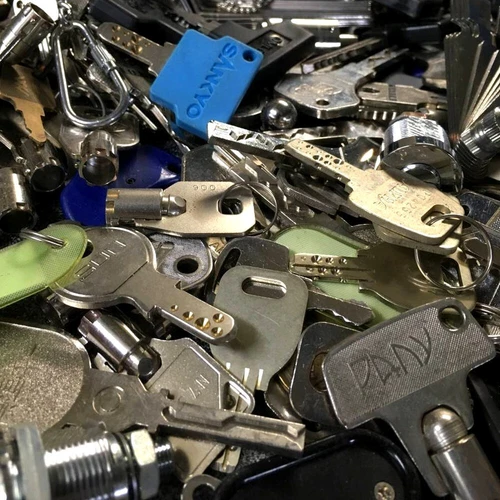
 Seller photo · via eBay
PARTS · ITEM #286207289291
Nishijin R001 Machine Key
$49.99last indexed asking price
Seller: Sagane Store
Used · machine compatibility matters
Match lock code before ordering. Key listings are not universal.
Why missing keys matter and how to evaluate replacement and access risk.
Illustrative selection of real item pages from eBay. Check the current description and compatibility first.
Seller photo · via eBay
Seller: Sagane Store
Used · machine compatibility matters
Match lock code before ordering. Key listings are not universal.
 Seller photo · via eBay
Seller: MidFloridaConnection1
Used · exact component set varies
Compare both sides of the part and the mechanism number.
Affiliate disclosure: we may earn from qualifying purchases. Photos belong to eBay sellers and are loaded from eBay's image servers. Asking prices and availability are not checked live. If a listing has ended, use “Find similar.”
A missing pachinko key can keep you from normal cabinet access, which makes inspection, cleaning and service harder. The important point is that “pachinko key” is not one universal part.
Photograph the lock face, keyway, surrounding hardware and maker/cabinet information. Compare the actual shape and application rather than assuming a key advertised for one brand or era fits another.
If you own several machines, tag keys with a machine ID and store a spare record of which key belongs to which cabinet. A small unlabeled key drawer becomes surprisingly difficult to sort later.
Before drilling, prying or forcing a lock, ask a pachinko restorer or locksmith who can see the exact hardware. Cosmetic and structural damage around the lock can be harder to reverse than the missing-key problem.
Ask specifically whether the key is included and whether it opens all required access points. A seller saying “no key needed” may be describing a modified machine, so ask how normal access works.
Keys are also covered in the parts guide.